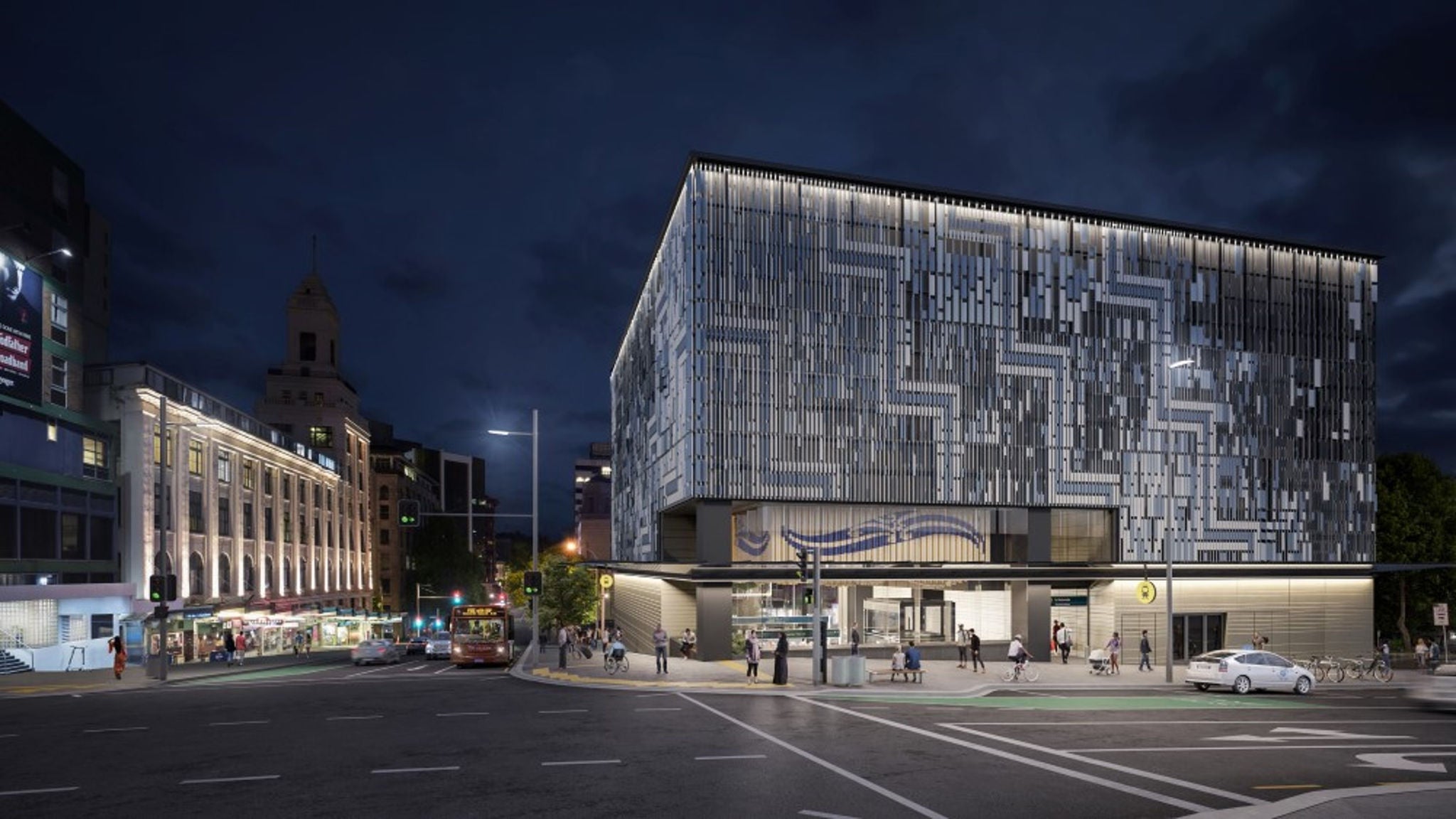
This project sets a benchmark for integrating cultural identity into urban infrastructure while enhancing transport efficiency. It not only redefines Auckland’s urban mobility but also serves as a model for honoring indigenous Māori heritage in contemporary design. The CRL project will help optimise rail connectivity and increase frequency for commuters enabling a train serving each station nearly every ten minutes. The aim is to cut outer city commute times and to increase passenger rail capacity by up to 54,000 passengers per hour. This is equivalent to an additional 16 lanes of road space or three harbour bridges.
Te Whakahou i te Tautuhinga mō te Nekenekehanga ā-Tāone City Rail Link
The City Rail Link (CRL) is a 3.45km double-track underground rail loop in Auckland connecting Waitematā Station and Maungawhau Station.
- New stations: Two underground stations.
- Upgraded stations: Waitematā (converted to a through station) and Maungawhau (developed as a key interchange).
- Capacity boost: Up to 54,000 passengers per hour—equivalent to 16 road lanes or three Auckland Harbour bridges.
Date of Completion: 2027
Applicant: CRL is a joint partnership with the Crown (NZ Government) and Auckland Council.
Project Team: A single Alliance is delivering the main CRL works - the stations and tunnels. The successful bidder was the Link Alliance (Vinci Construction Grands Projets S.A.S., Downer NZ Ltd, Soletanche Bachy International NZ Limited, WSP Opus (NZ) Limited, AECOM New Zealand Limited and Tonkin + Taylor Limited).
Partnership with Iwi: Mana Whenua Forum, representing eight Tāmaki Makaurau iwi
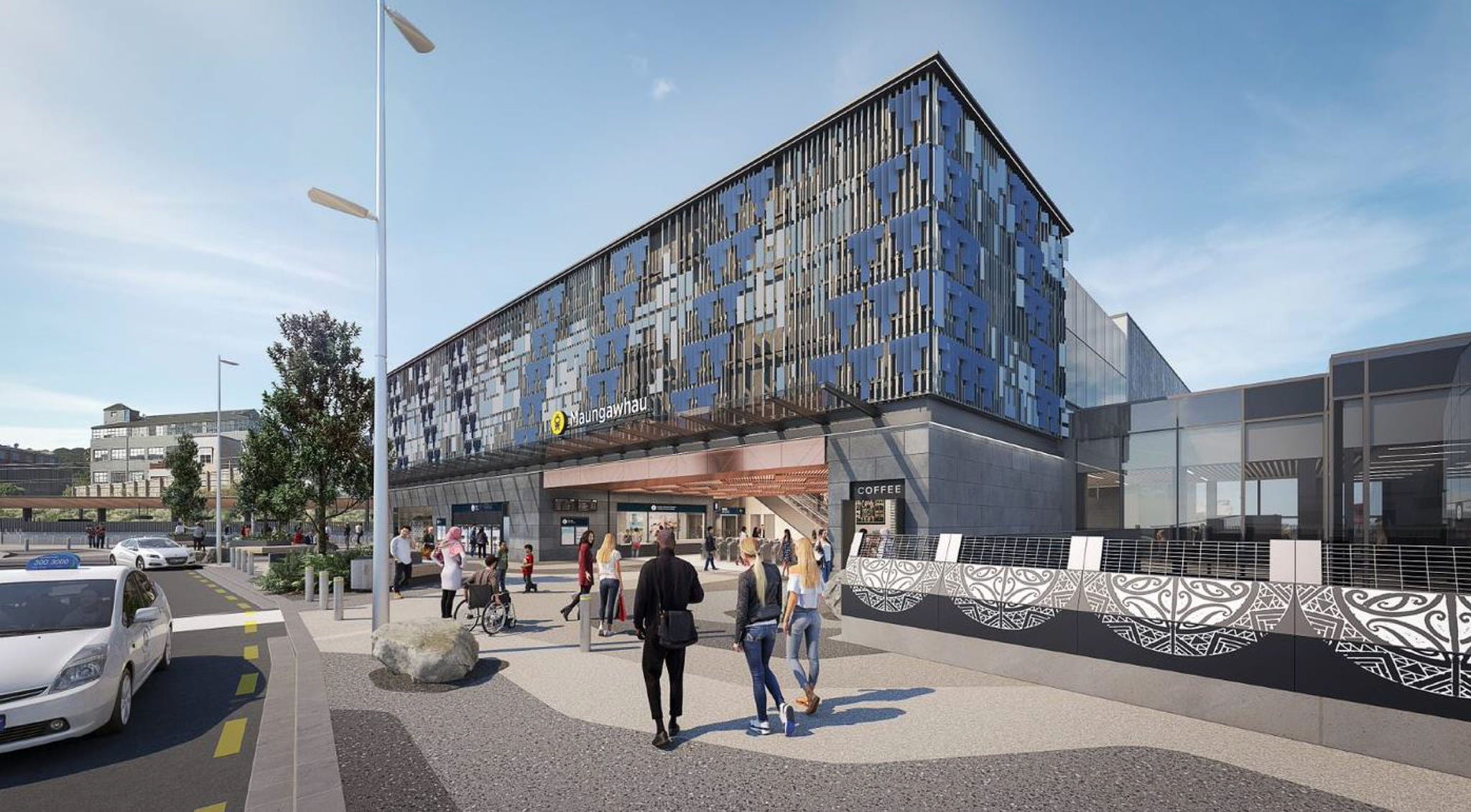
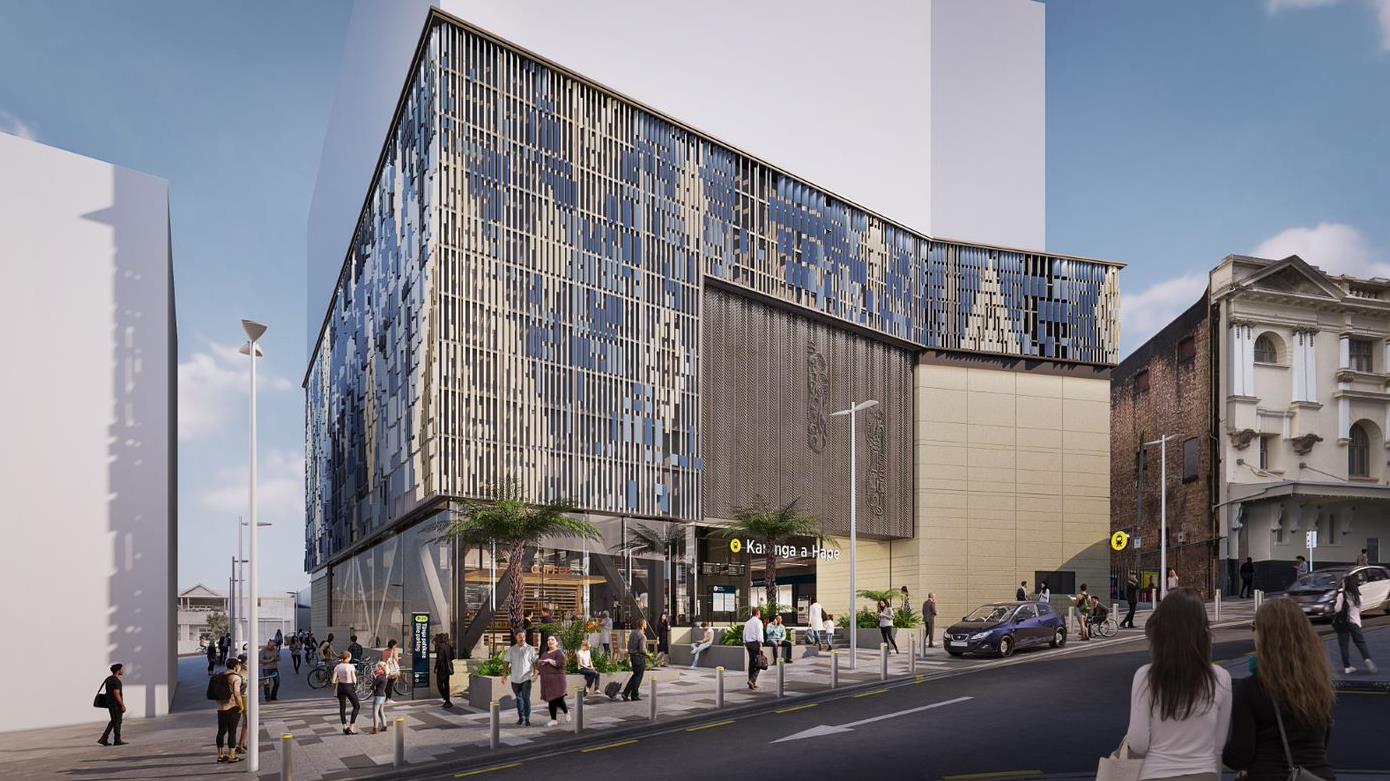
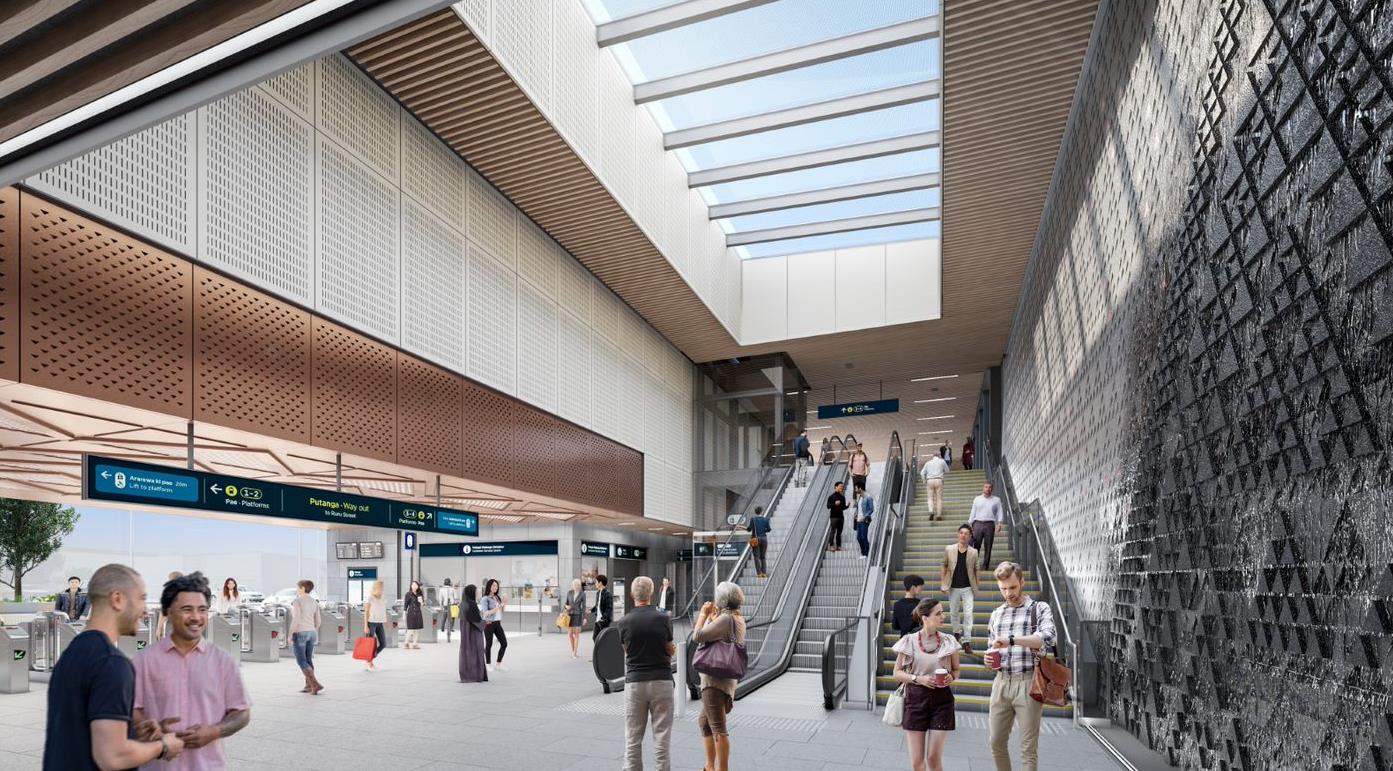
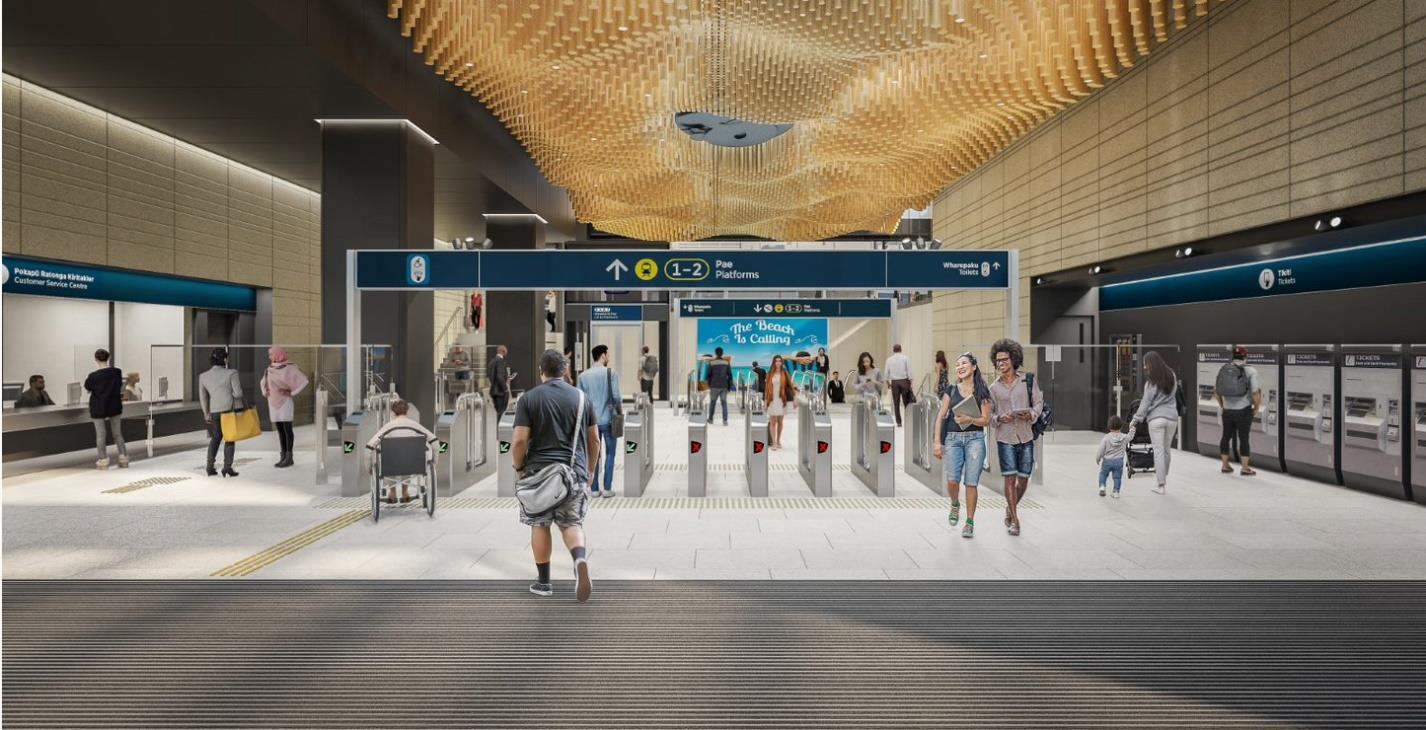
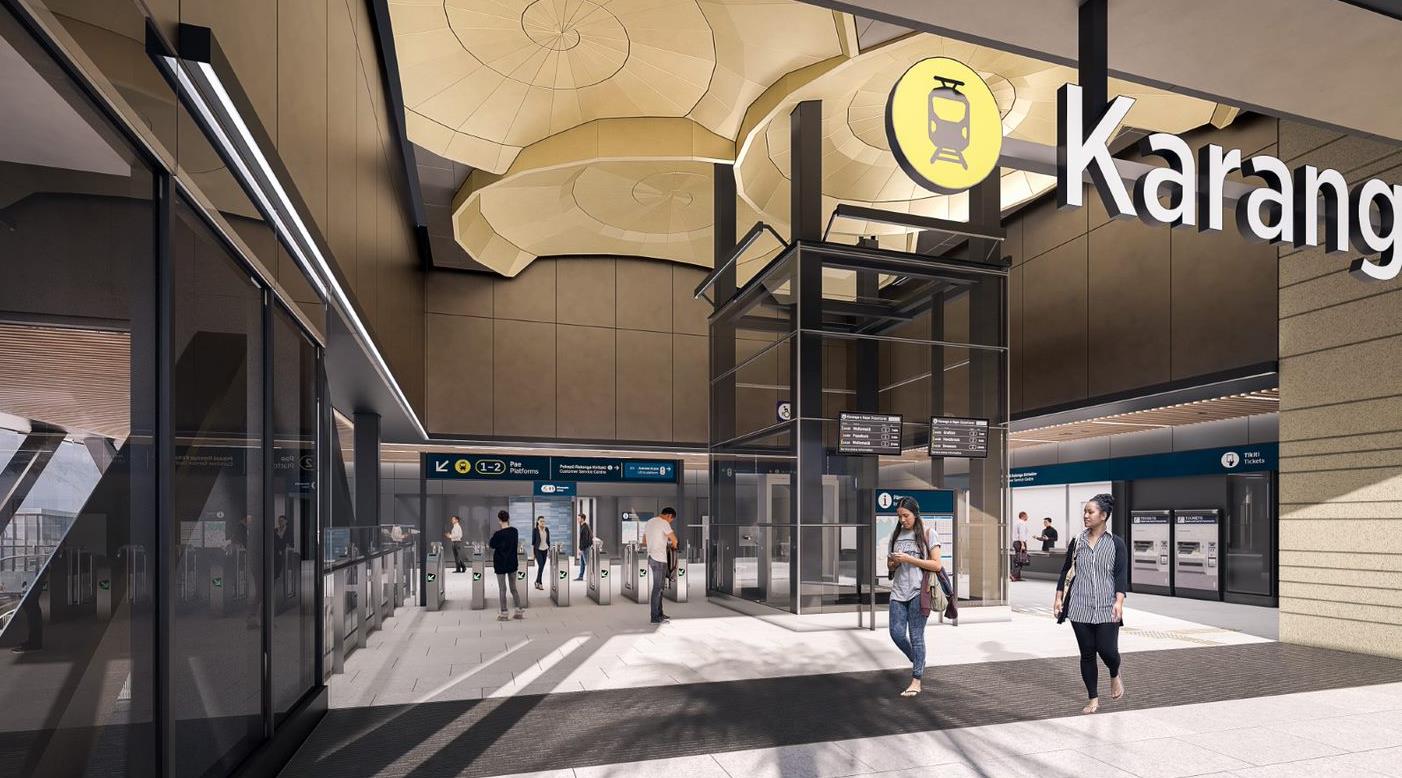
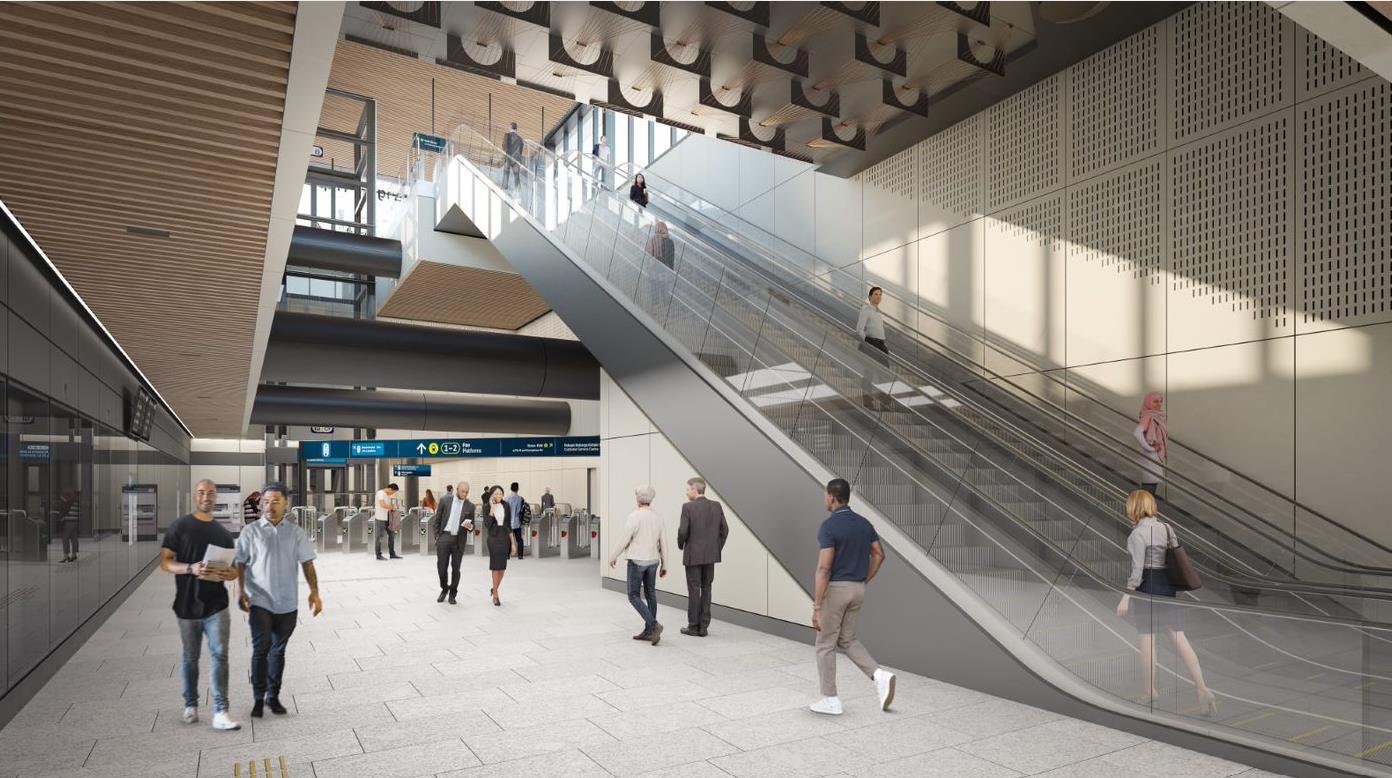
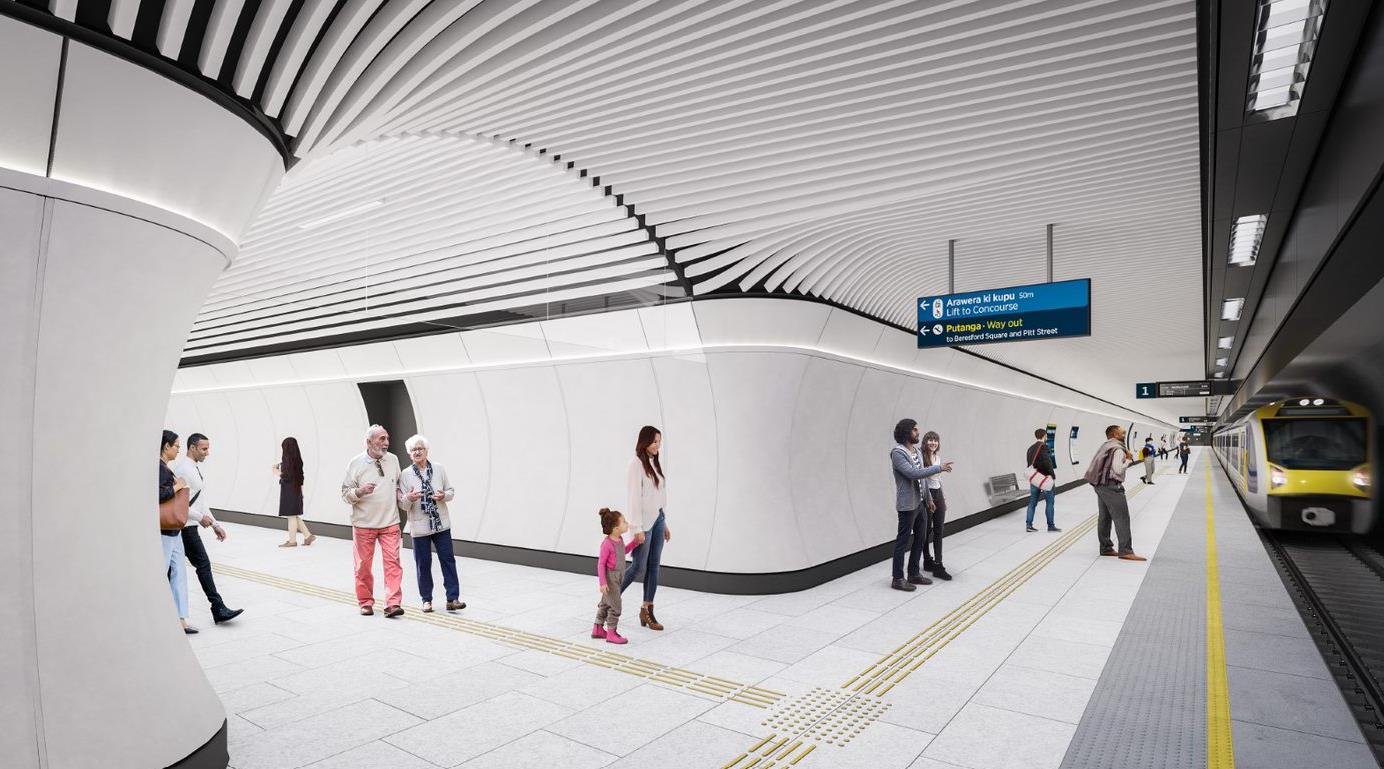
Render of the new Maungawhau station in Mt Eden
Façade and Materiality
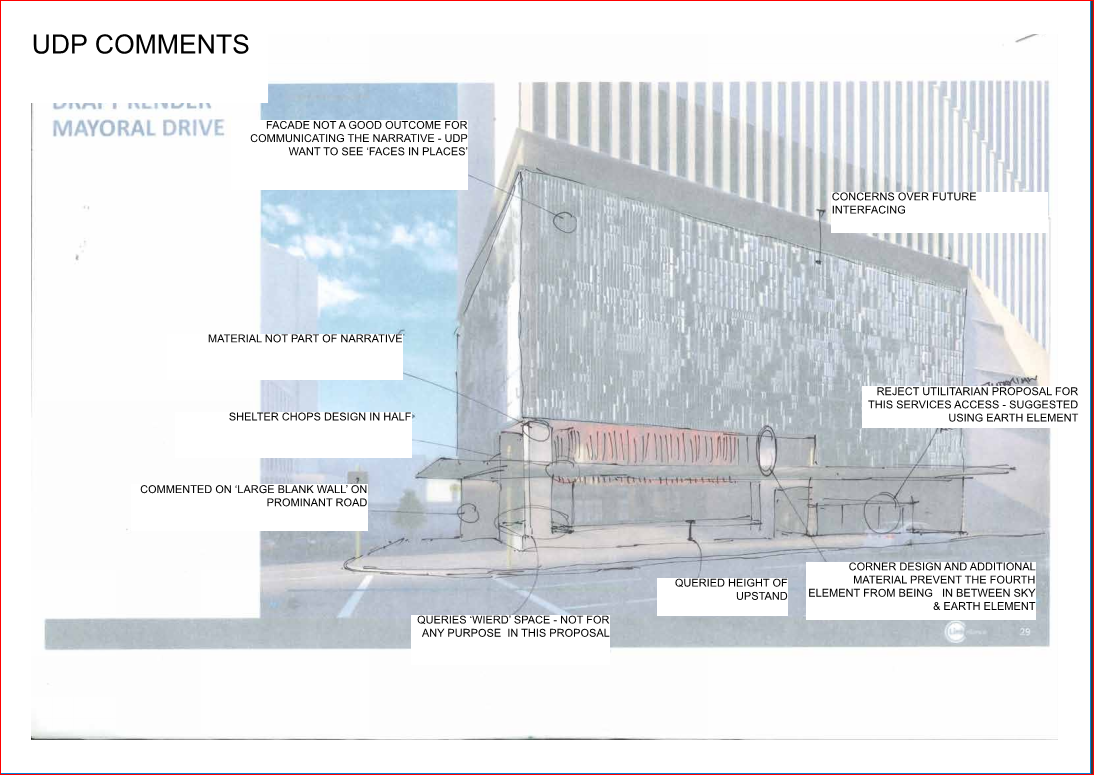
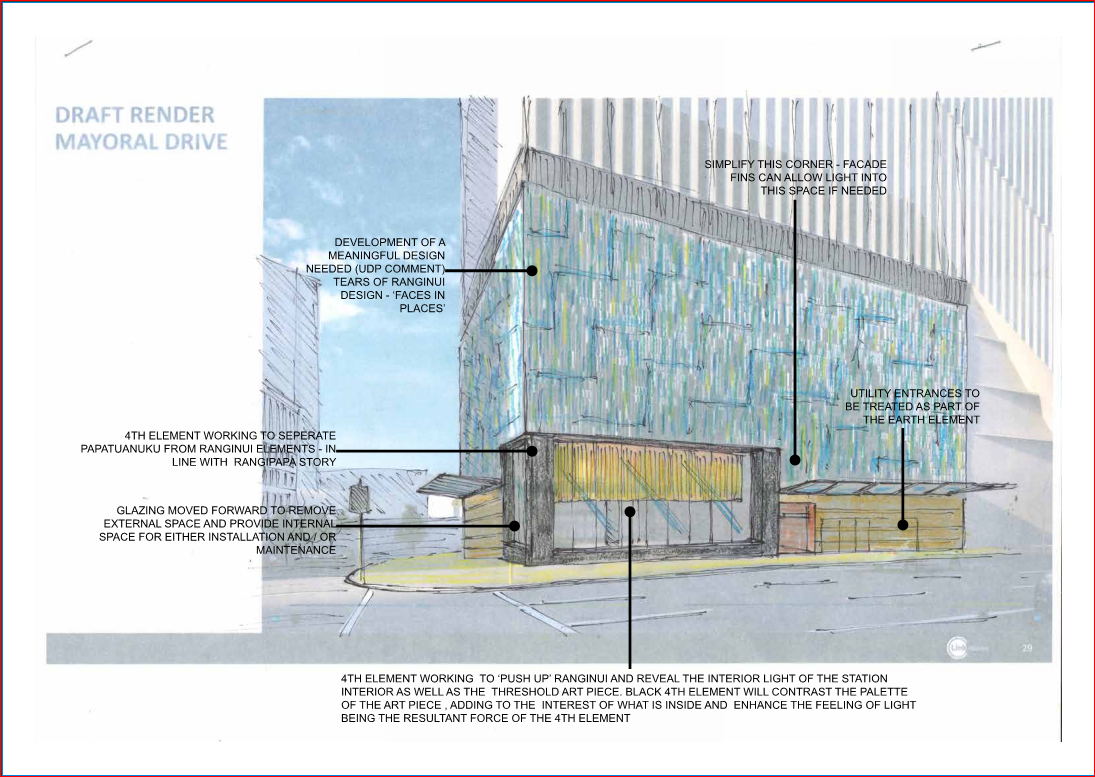
The Panel considered the original façade design was insufficiently expressing the narrative which was a specific request from Ngā Aho.
The façade was not considered a good outcome for communicating the narrative and the Panel wanted to see the idea of Māori ‘faces in places’.
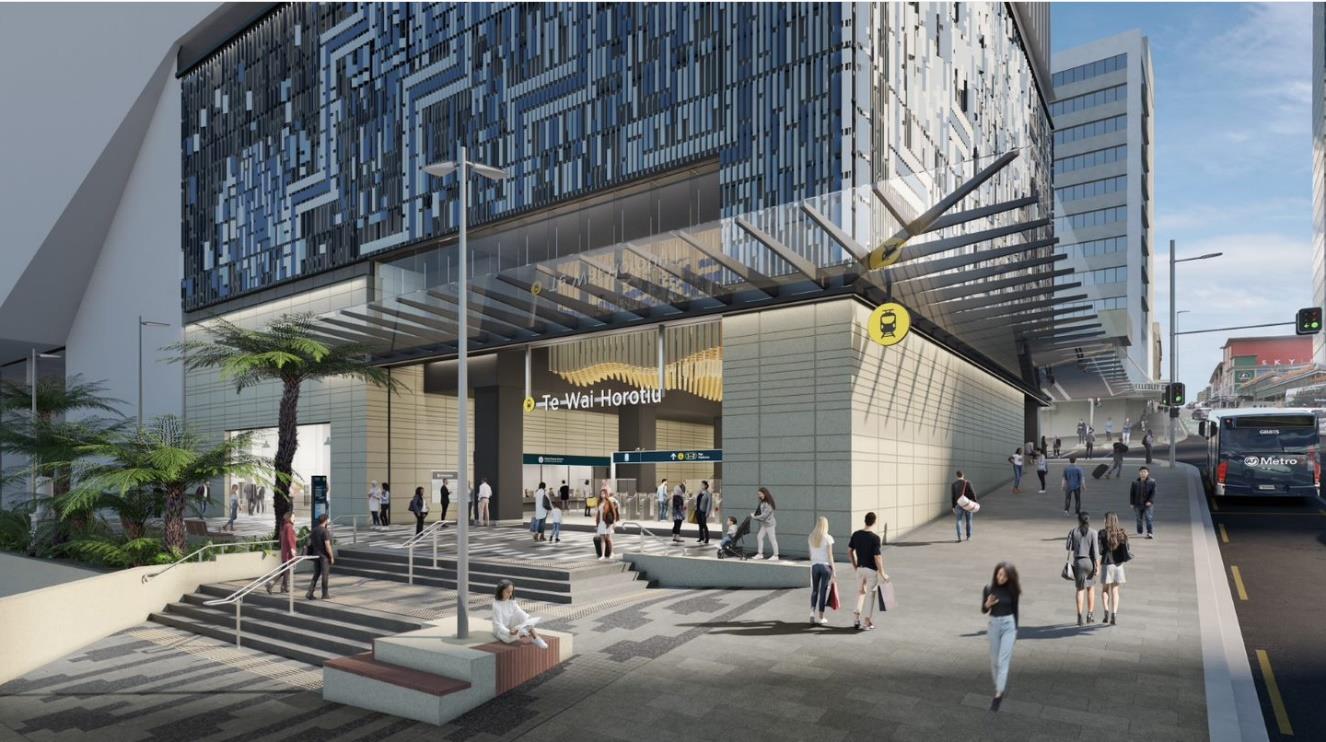
Canopy Shelter: The canopy was considered to cut the volume around the corner including the unique fourth element artwork by Graham Tipene.
Building to street interface: The Panel expressed concern about the large blank wall on Wellesley Street. There was a balance to be achieved between the narrative and the street interface that gave consideration to the surrounding context.
Heights and Voids: The Panel queried the column and the upstand that interfered with the corner design response.
Corner Design: The corner design and additional material prevented the fourth element from being in between the earth and the sky elements.
Service Access: The Panel considered the utilitarian appearance of the service access to be an inappropriate response and suggested using the earth element to provide an integrated design along Mayoral Drive.
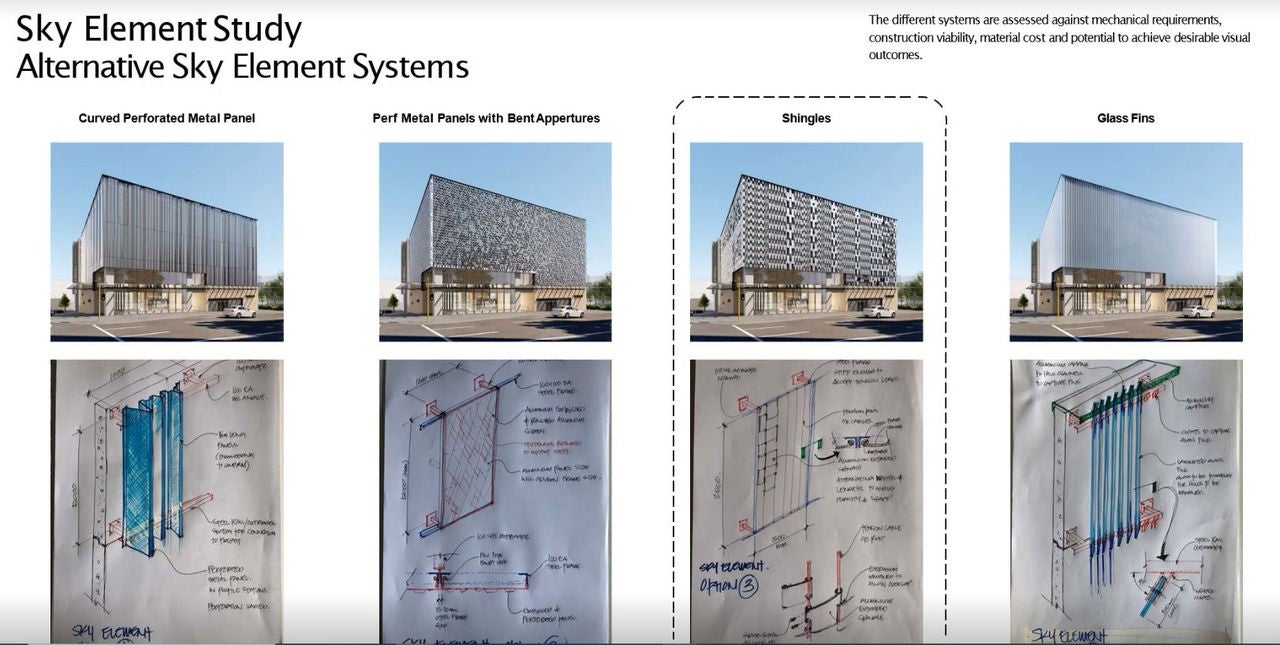
Future Interfacing: The Panel expressed concerns about how and to what extent the sky element would integrate with the design of the future over-station.
Updates based on the panels feedback included:
- Enhanced storytelling through materiality and patterns (e.g. Poutama patterns for Ranginui)
- Simplified designs for better interface with urban streets
- Integration of utility entrances into cultural narratives.