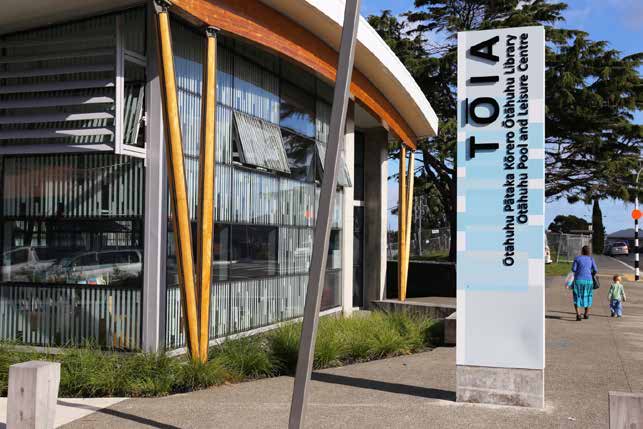
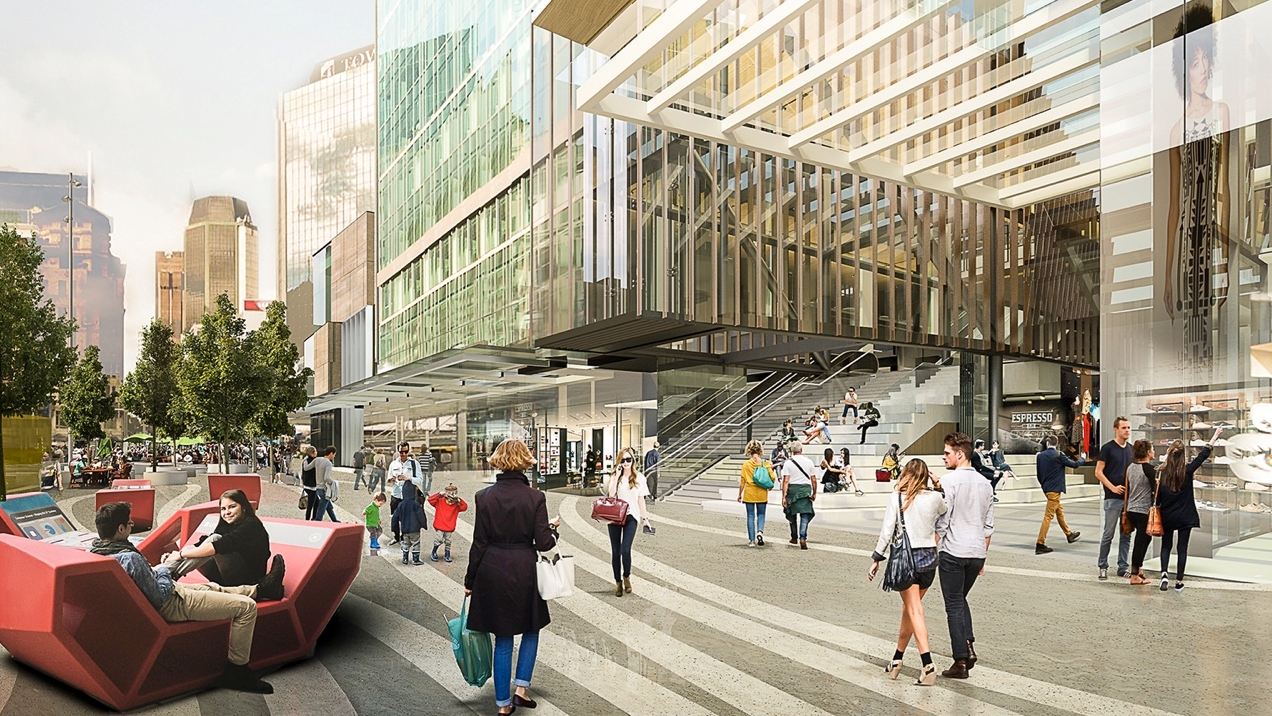
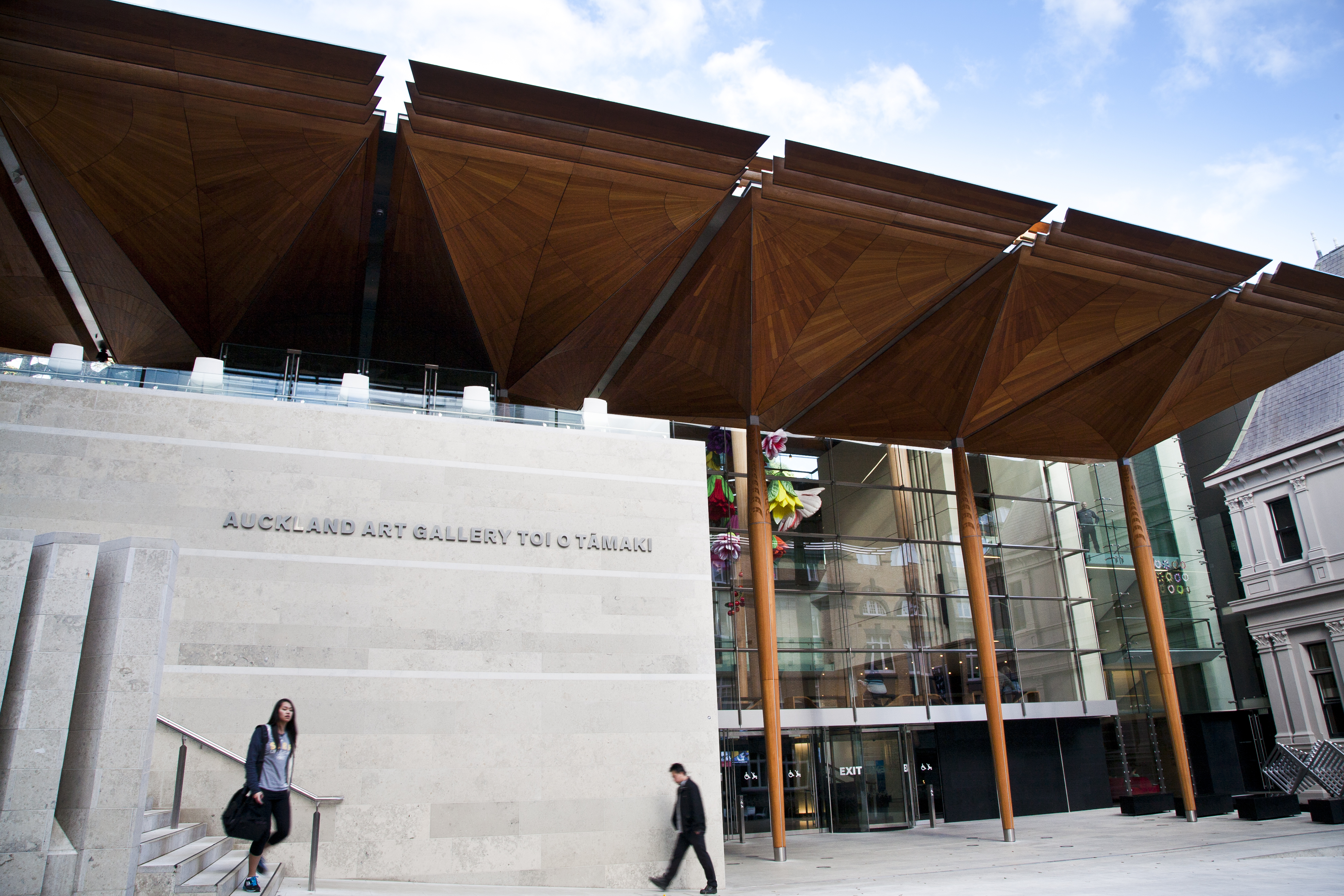
The Te Aranga Principles were developed and refined by and with Mana Whenua over many years and have been tested on large scale public and private projects. Their purpose is to enable everyone who calls Tāmaki Makaurau home to connect to and deepen our ‘sense of place’. They help you understand how to best work with iwi/hapū on your project and guide you to produce outcomes that enhance the natural landscape and built environment, placing Mana Whenua at the heart of both.
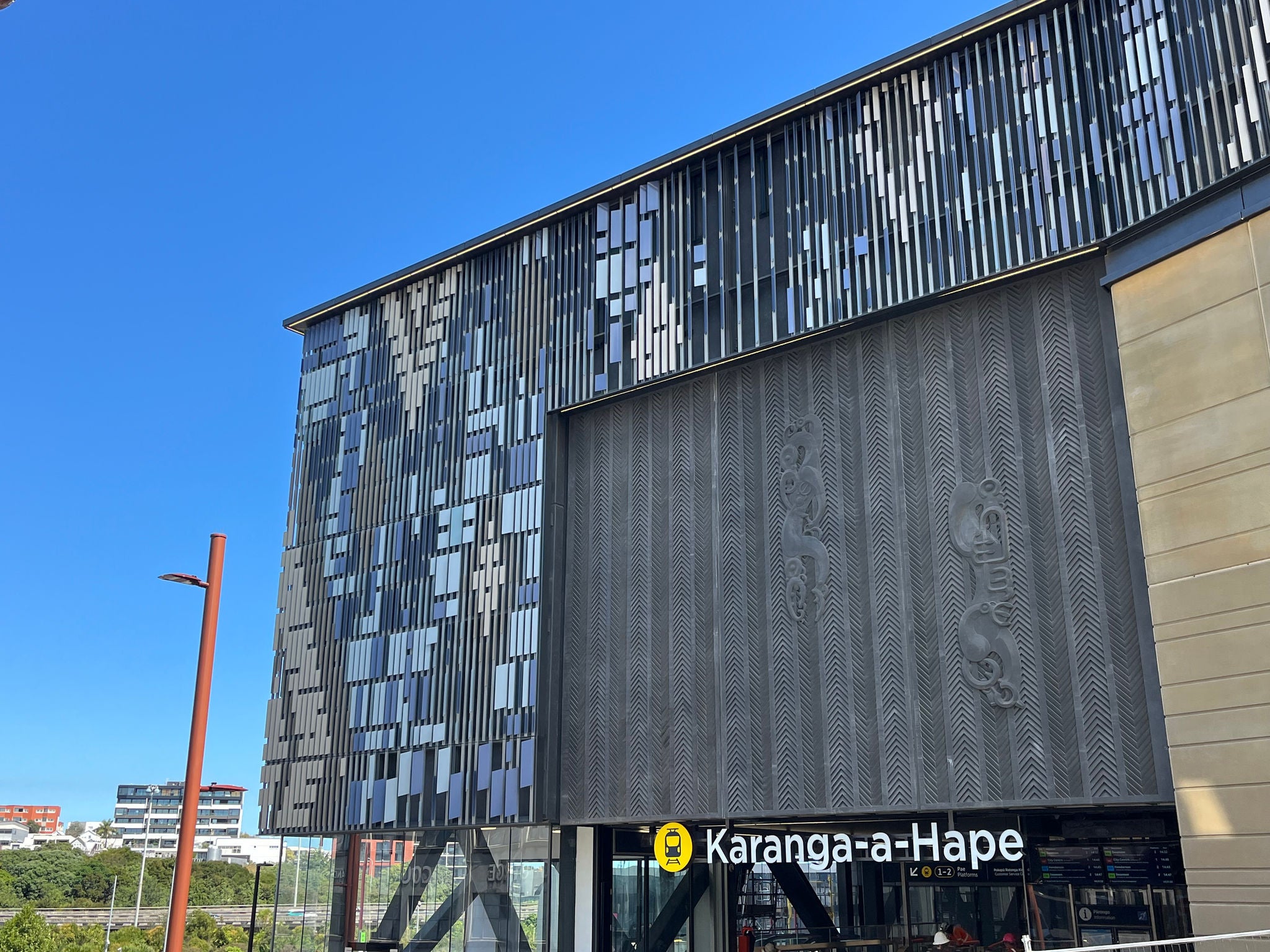
Te Aranga Design Principles are embedded in the design of Karanga-a-Hape Station, one of the newly developed City Rail Link stations, a project to better connect Auckland’s rail network. Mana Whenua lead artist was Reuben Kirkwood (Ngāi Tai ki Tāmaki).
Mana
The mana of iwi and hapū as Mana Whenua is recognised and respected.
Attributes:
- Recognises Te Tiriti o Waitangi / The Treaty of Waitangi and the Wai 262 Ko Aotearoa Tēnei framework for Treaty Partnerships in 21st Century Aotearoa New Zealand as the basis for all relationships pertaining to development
- Provides a platform for working relationships where Mana Whenua values, world views, tikanga, cultural narratives, mātauranga and visual identity can be appropriately expressed in the design of the built environment
- High quality Treaty based relationships are fundamental to the application of the other Te Aranga principles – this principle provides the essential catalyst required to activate the other six principles
Application:
- The establishment of high level Treaty-based relationships with Mana Whenua is essential at the outset of planning for development proposals, and should be as early as possible to maximise opportunities for design outcomes
- Important to identify any primary Mana Whenua groups as well as wider Mana Whenua interests in any given development
- Mana Whenua are involved in whole of project design lifecycle, from ideation to delivery to programming of space and facility.

High quality treaty based relationships with mana whenua are fundamental to the application of the other Te Aranga principles

Te Tiriti O Waitangi/The Treaty of Waitangi
Whakapapa
Māori names are celebrated, both traditional and new.
Attributes:
- Recognises and celebrates the significance of Mana Whenua ancestral names
- Recognises ancestral names as entry points for exploring and honouring tūpuna, historical narratives and customary practises associated with development sites and their ability to enhance sense of place connections
- Recognises importance for Mana Whenua of continuing to develop their cultural landscapes through naming of contemporary features
Application:
- Mana Whenua engagement and research on the use of correct ancestral names, including macrons
- Recognition and expression of place names through digital and physical interpretation, signage and wayfinding
- Use of appropriate names to inform design processes and inspire outcomes

Place names - recognition of traditional and appropriate place names.
Taiao
The natural environment is protected, restored and/or enhanced.
Attributes:
- Sustains and enhances the natural environment
- Local flora and fauna which are familiar and significant to Mana Whenua are key natural landscape elements within urban and / or modified areas
- Natural environments are protected, restored or enhanced to levels where sustainable Mana Whenua harvesting is possible
Application:
- Re-establishment and thickening of local biodiversity
- Creating and connecting ecological corridors and webs
- Planting of appropriate indigenous flora in public places, strategies to encourage native planting in private spaces
- Selection of plant and tree species as seasonal markers , to provide habitat for all native fauna as attractors of native bird life
- Establishment and management of traditional food and cultural resource areas allowing for active kaitiakitanga

Selection of plant and tree species as seasonal markers and attractors of native bird life

Planting appropriate indigenous flora in public places

Establishment and management of traditional food and cultural resource areas

Re-establishing biodiversity. Selecting plants that encourage native birds to return to areas theytraditionally inhabited. Artwork title: Birds of Mahurangi. Artist: Ruby Watson
Mauri tū
Environmental health is protected, maintained and / or enhanced.
Attributes:
- The wider development area and all elements and developments within the site are considered on the basis of protecting, maintaining or enhancing mauri
- The quality of wai, whenua, ngahere and air are actively monitored through both mātauranga and western scientific methods and frameworks
- Water, energy and material resources are conserved, remediated and re-used
- Community wellbeing and resilience is enhanced
- Climate Change implications of developments are considered
Application:
- Daylighting, restoration and planting of waterways
- Contaminated areas of soil are remediated
- Rainwater collection systems, grey-water recycling systems and passive solar design opportunities are explored in the design process
- Hard landscape and building materials which are locally sourced and of high cultural value to Mana Whenua are explored in the design process

Daylighting waterways and restoration of wetlands through planting enhances both the mauri of the water and the local community

Work with mana whenua to consider development options that will ensure environmental health is appropriately maintained, protected and enhanced
Mahi toi
Iwi/hapū narratives are captured and expressed creatively and appropriately.
Attributes:
- Ancestral and contemporary names, local tohu and iwi/hapū narratives are creatively reinscribed into the design environment including: landscape; architecture; urban design and art
- Iwi / hapū mandated design professionals and artists are appropriately engaged in such processes enabled through development procurement
Application:
- Mana Whenua assist in establishing design consortia which are equipped to translate iwi/hapū cultural narratives into the design environment
- Civic / shared landscapes are created to reflect local iwi/hapū identity and contribute to sense of place
- Iwi/hapū narratives are reinscribed in the environment through language, technology, design and public art

Work with mana whenua to ensure iwi/hapū mandated design professionals and artists are appropriately engaged. Local artist: Whare Thompson
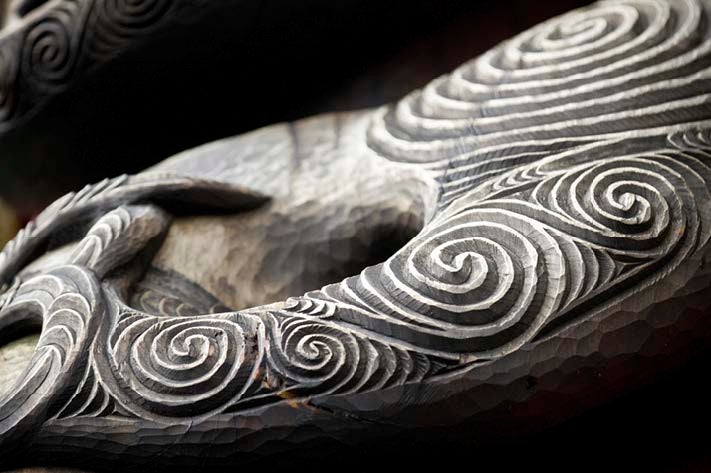
Iwi/hapū narratives are reinscribed in the environment through public art and design. Arataki Visitors Centre, Waitakere

Work with mana whenua to establish a consortia of narratives that can be creatively expressed in your architectural design. Building: Waitakere Civic Centre
Tohu
Mana Whenua significant sites and cultural landmarks are acknowledged.
Attributes:
- Acknowledges a Māori world view of the wider significance of tohu / landmarks and their ability to inform the design of specific development sites
- Supports a process whereby significant sites can be identified, managed, protected and enhanced
- Celebrates local and wider unique cultural heritage and community characteristics that reinforce sense of place and identity, both traditional and contemporary
Application:
- Recognition of tohu, including wāhi tapu, wāhi tūpuna, maunga, awa, puna, mahinga kai, mahinga mataitai and ancestral kāinga
- Allows visual connection to significant sites to be created, preserved and enhanced
- Wider cultural landmarks and associated narratives able to inform building / spatial orientation and general design responses
- Design, art and heritage trails, digital technologies, physical markers and interpretation boards

Wider cultural landmarks and associated narratives inform the design response

Significant sites can be identified, managed, protected and enhanced.
Ahi kā
Iwi/hapū have a living and enduring presence and are secure and valued within their rohe.
Attributes:
- Mana Whenua live, work and play within their own rohe
- Acknowledges the post Treaty of Waitangi settlement environment where iwi/hapū living presences can include customary, cultural and commercial dimensions
- Living iwi/hapū presences and associated kaitiaki roles are resumed within urban areas
Application:
- Access to natural resources (weaving species, mahinga kai, waterways, etc) facilitates, maintains and /or enhances Mana Whenua ahi kā and kaitiakitanga
- Civic/iwi joint venture developments ensure ahi kā and sense of place relationships are enhanced
- Mana Whenua are involved in ongoing management, programming and occupation of spaces created, particularly public realm

Access to natural resources, for example waterways, facilitates, maintains and /or enhances manawhenua ahi kā and kaitiakitanga

Iwi/hapū have a living and enduring presence and are secure and valued within their rohe.

Iwi living presences can include customary, cultural and commercial dimensions

Mana whenua live, work and play within their own rohe
About the principles
With growth comes change…
As Tāmaki Makaurau continues to grow change will occur to our neighbourhood and, there will be new places to live, work and play. Good design is critical as development intensifies and populations grow, and undertaken well ensures that what is critical and important is retained and respected amongst this growth
Design can be a positive tool to aid development and help achieve better quality urban environments by creating great buildings, spaces and places that are distinctive to Tāmaki Makaurau, designed from local values and approaches. To do this we collectively need to gain a better understanding about the different contexts and unique characteristics that make up the cultural, natural and built environments of Tāmaki Makaurau.
The Ministry for the Environment defines character as "the distinctive identity of a particular place that results from the interaction of many factors, including built form, people, activity and history" (MfE 2005:2). For Tāmaki Makaurau the basis for our distinctive identity comes from the identities, histories, narratives and aspirations of the tangata whenua of the lands the city has been built upon. An ongoing dialogue and working relationship with Mana Whenua as iwi authority has enabled the development and use of the Te Aranga Māori Design Principles as part of design and engagement processes. These principles provide direction to influence and guide design process for project teams to positively engage with Mana Whenua, and to work with their values, principles and aspirations to help shape the built environment and create distinctive outcomes.
Positively working with Māori culture and embedding Mana Whenua values into design offers up significant opportunities that benefit all. The Te Aranga Māori Design Principles (the Principles) are a set of outcome-based principles founded on intrinsic Māori cultural values and designed to provide practical guidance for enhancing outcomes for the design environment. The principles have arisen from a widely held desire to enhance Mana Whenua presence, visibility and participation in the design of the physical realm.
The core Māori values
Core Māori values have informed the development of earlier Māori design principles. These process-oriented principles have provided the foundation for, and underpin the application of, the outcome-oriented Te Aranga Māori Design Principles.
- Rangatiratanga: The right to exercise authority and self-determination within one's own iwi / hapū realm Kaitiakitanga: managing and conserving the environment as part of a reciprocal relationship, based on the Māori world view that humans are part of the natural world
- Manaakitanga: the ethic of holistic hospitality whereby Mana Whenua have inherited obligations to be the best hosts they can be
- Wairuatanga: the immutable spiritual connection between people and their environments
- Kotahitanga: unity, cohesion and collaboration
- Whanaungatanga: a relationship through shared experiences and working together which provides people with a sense of belonging
- Mātauranga: Māori / Mana Whenua knowledge and understanding
These core Māori values are seen as underpinning and guiding the application of the seven Te Aranga Māori Design Principles.
Description
The key objective of the Principles is to enhance the protection, reinstatement, development and articulation of Mana Whenua cultural landscapes enabling all of us (Mana Whenua, Mataawaka, Tauiwi and Manuhiri) to connect to and deepen our ‘sense of place’.
The Principles seek to foster and guide both culturally appropriate design processes and design responses that enhance all of our appreciation of the natural landscape and built environment and which place Mana Whenua as the heart of both.
The Principles are intended as an enabling strategic foundation to adopt for design engagement with iwi/hapū. There is potential to customise and further develop in response to local iwi/hapū context. The principles also provide local and central government, other stakeholders and the design community with a clear understanding as to how iwi/hapū may value and wish to participate in the design and development of the built environment within their ancestral rohe.
The use of the Principles is predicated on the development of high quality durable relationships being developed between iwi/hapū, cultural and design professionals and local and central government. Robust relationships between these groups provide opportunities for design to integrate Māori values into design outcomes across the spectrum from identity to environmental.
Where have the principles come from?
The New Zealand Urban Design Protocol (UDP) was published by the Ministry for the Environment in March 2005. It was recognised that a clear Māori voice and meaningful involvement in the creation of the UDP had been absent, and that the process undertaken in the development of the protocols did not adequately engage with Māori interests. In response to this lack of consultation, and with the support of the Ministry for the Environment and Te Puni Kōkiri, a hui of Māori professionals working across the design disciplines, the resource management sector and representatives of iwi/hapū organisations from across Aotearoa/New Zealand gathered first at Waitākere in June 2006 and then in November the same year at Te Aranga Marae in Flaxmere to discuss and formulate a draft National Māori Cultural Landscape Strategy. The resultant Te Aranga Māori Cultural Landscape Strategy represented the first concerted and cohesive effort by Māori to articulate Māori interests and design aspirations in the built environment.
Whilst this forum was originally convened to discuss the challenges faced by Māori in the urban realm, it was clearly expressed that hapū and Iwi rohe encompass all parts of the physical environment and that the term 'urban design' did not resonate with a connected and holistic Māori worldview. This fundamental position resulted in the adoption of the term 'Māori cultural landscape' as embracing the landscape in its widest form.
"As Māori we have a unique sense of our cultural landscapes. It includes past present and future. It includes both physical and spiritual dimensions. It is how we express ourselves in our environments, it connects whānau, whenua, awa and moana through whakapapa, it includes both urban and rural, it is not just where we live it is who we are." (Te Aranga Maori Cultural Landscape Strategy 2006: www.tearanga.maori.nz)
A set of seven outcome-oriented design principles emerged from the foundation work of Te Aranga and other projects, including Kaitiakitanga o ngā ngahere pōhatu: Kaitiakitanga of urban settlements (2011), a report commissioned by the Ministry of Science and Innovation that builds on a growing body of research and represents the most comprehensive research completed to date. The report identifies key elements of Mātauranga Māori that can be incorporated into urban planning to allow Māori aspirations to be fulfilled, while also complementing and improving existing urban planning practices.
How have the principles been developed and applied?
Since the release of the Te Aranga strategy a number of follow-up hui were held to discuss the development of a more complex set of specific protocols and guidelines to inform Māori urban planning. Case studies continue to reveal that existing mainstream urban design approaches and guidelines (e.g. New Zealand Urban Design Protocol) are insufficient in ensuring enhanced built environment outcomes for Mana Whenua and Māori communities. The Principles that emerged from the Te Aranga and other Māori Urban design strategy work were tested and refined through a series of large-scale urban infrastructure projects within greater Tāmaki Makaurau, the process of which guided further refinement of the principles and established widespread Tāmaki Makaurau Mana Whenua engagement, participation and critique.
An early project was the Auckland Transport Auckland Manukau Eastern Transport Initiative (AMETI). This was the first significant post Te Aranga public development in Tāmaki Makaurau, providing opportunities to engage meaningfully with Mana Whenua and to test the principles on a real project. Through the engagement process, the principles were applied and worked through to a point of appropriate design resolution in particular relation to the Panmure Railway Station precinct.
Significant value has been added to the ongoing development of the City Rail Link (CRL) project started in 2012 with the Principles being formally embedded and applied through design processes. The CRL will link Waitematā station (Britomart) to the existing western line near at the new Maungawhau station (Mt Eden) and is a key project in an integrated transport programme to improve public transport as the city grows. As part of the Mana Whenua engagement process, each iwi wrote a Cultural Values Assessment (CVA), the majority of which referred to the Principles.
The most recent significant developments in the use of Principles has been with two transformational City Centre projects, Commercial Bay (a private development) and the Downtown Infrastructure Development Programme (DIDP public realm).
The April 2020 opening of the Commercial Bay precinct in the Tāmaki Makaurau downtown waterfront area is proof of the value that Māori design and the Te Aranga Principles bring to a large scale private sector development. Commercial Bay is an important contribution to Tāmaki Makaurau. Early design and planning featured meaningful engagement with Mana Whenua, which confirmed the importance of the site to Mana Whenua. The application of Te Aranga Principles has resulted in unique design outcomes.
The DIDP has demonstrated the value in applying and refining the principles through a programme of large scale public realm capital works projects to be completed early-2021. An agreed aspiration of the DIDP was to lift the importance of public realm space for residents and visitors to Tāmaki Makaurau, which resulted in new ways of thinking about design for the city centre, expressed in the phrase
“Moving Auckland to Tāmaki Makaurau. Tāmaki Hērenga Waka, Tāmaki Hērenga Tangata”. This design principle provided the opportunity to move beyond the Te Aranga principles and to develop and utilise emerging Mana Whenua specific principles within the six projects that make up the DIDP. These specific principles were further refined by bringing Mana Whenua endorsed design, art and environmental experts to work alongside the design practices delivering the projects. The DIDP has demonstrated the critical need for Mana Whenua involvement to occur right from the outset to produce high quality, distinctively Tāmaki Makaurau urban design thinking and built environment outcomes.
Prior to publication of the 2020 Māori Design Hub upgrade, the Mana Whenua Kaitiaki Forum (a Mana Whenua governance forum made up of all 19 recognised Tāmaki Makaurau iwi/hapū) notified Te Kaunihera that it intends to develop a set of Tāmaki Makaurau-specific design principles in the 2020/2021 period. It is expected that once finalised, these will replace the Te Aranga principles in promoting and considering Māori design within Tāmaki Makaurau.
The Auckland Urban Design Panel (AUDP) is a Te Kaunihera organised and funded forum of independent expert design practitioners that assess and provide guidance to large developments across Tāmaki Makaurau seeking to achieve high quality urban design outcomes. In 2019 the AUDP committed to supporting Auckland Plan (2018) outcomes to “Reflect mana whenua mātauranga and Māori design principles throughout Auckland” and the group’s membership included six Māori design experts nominated by Ngā Aho (network of Māori Design professionals). These members bring specialist knowledge and experience to assessing developments which have involved Mana Whenua engagement, impact on known features within the cultural landscape or where Māori design has been applied within the development proposal. The AUDP process is independent of resource consenting processes, and does not impinge on the role of Mana Whenua in providing its advice to applicants and Te Kaunihera.
References
Landcare Research New Zealand Ltd. 2011 Kaitiakitanga o ngā ngahere pōhatu: Kaitiakitanga of urban settlement Hamilton: Landcare Research Ltd
Landcare Research New Zealand Ltd. 2008. Tu Whare Ora - Building Capacity for Māori Driven Design in Sustainable Settlement Development Hamilton: Landcare Research Ltd
Ministry for the Environment, 2005. The value of urban design Wellington: MfE.
Paul, J. Exploring Te Aranga Design Principles in Tāmaki 2016.
Ngā Aho. 2008 Te Aranga Māori Cultural Landscape Strategy